
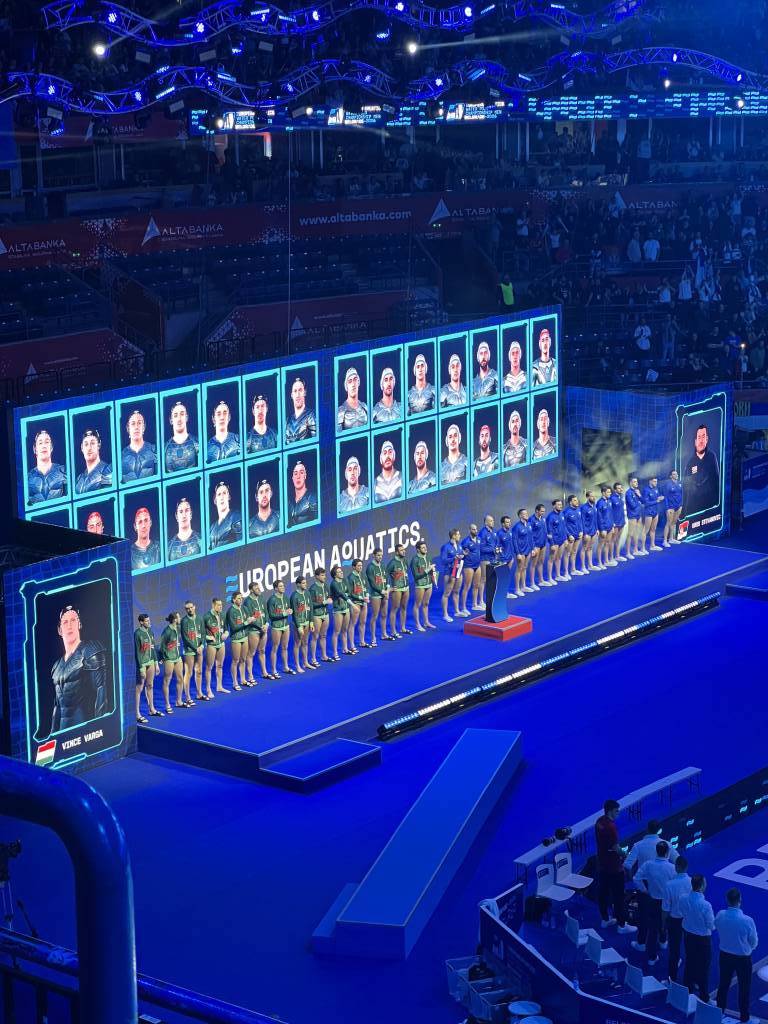
Thirteen thousand people are booing whenever the ball is in our hands. My son, sitting next to me, clenches his fist. And I find myself thinking: how interesting a situation my love of wine has brought me into—once again.
I love working with wine. Not only because the joy of creation is something truly wonderful, but also because wine offers so many genuine encounters. It brings a wealth of experiences and allows me to live through moments that are truly captivating.
On November 4, 2024, I met Dani Ercsey. We talked about many things, and I was enchanted by his intelligence and the richness of his thoughts and ideas. Not long after, his first book, Szindbád, was published, and I ordered it immediately—I was interested in the wine culture of Central and Eastern Europe, perhaps from one of its most authentic voices. The book truly presents an adventurous picture.
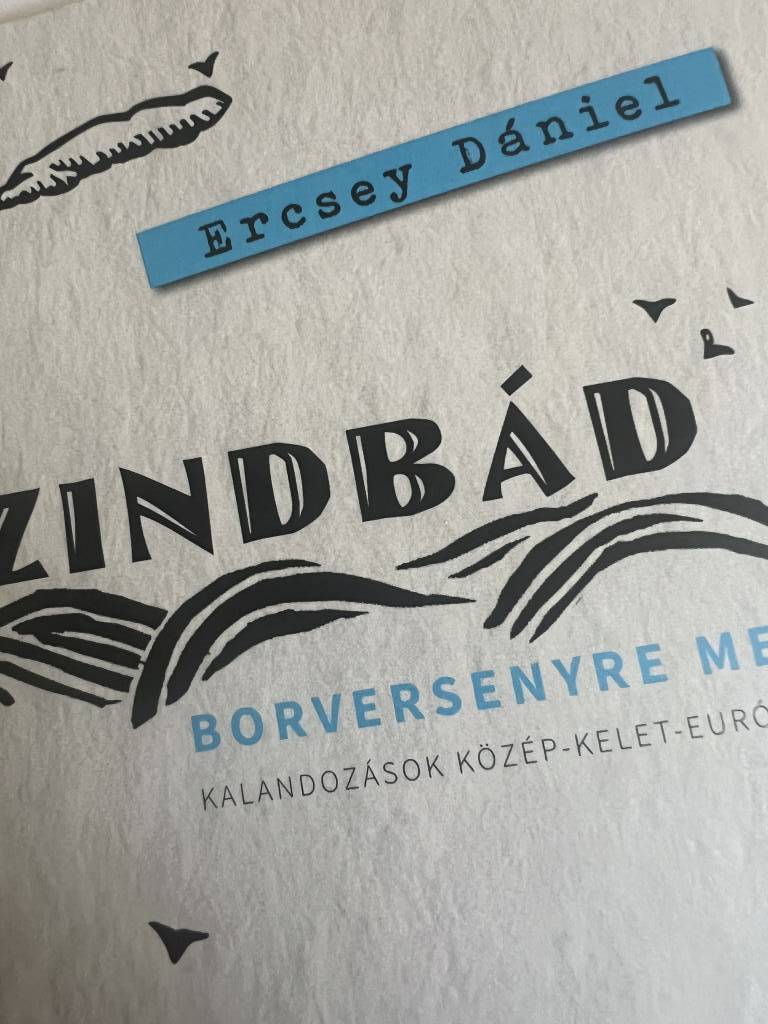
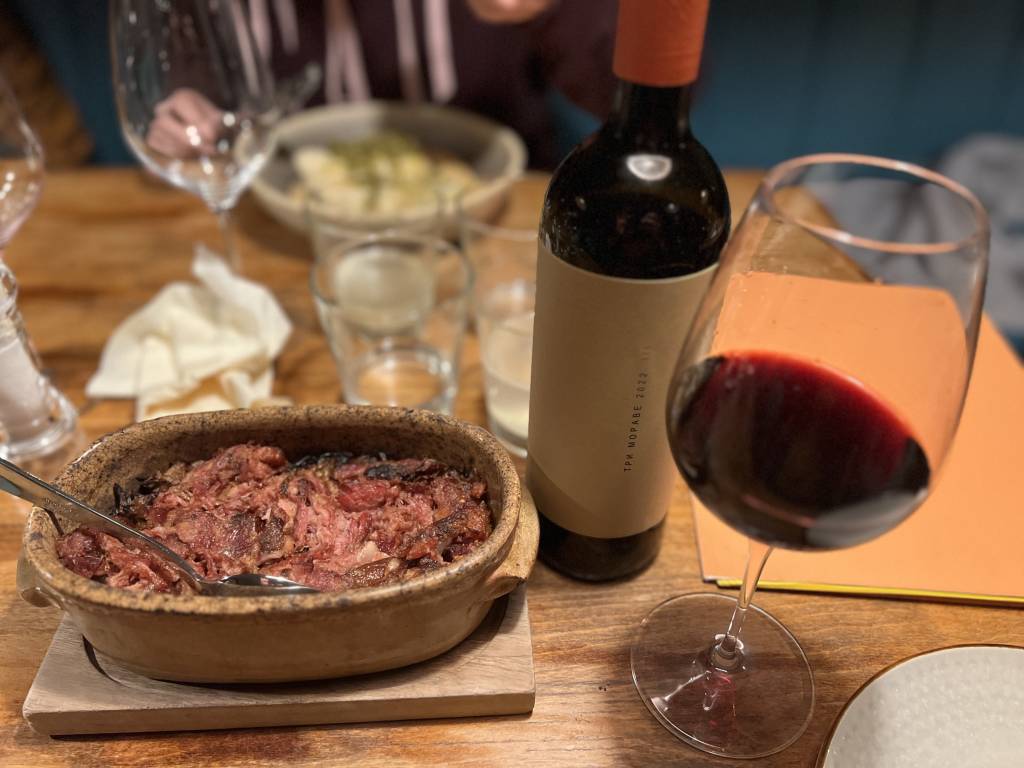
When I read about prokupac in the book—often described as the Serbian equivalent of kadarka—there was no question that I would have to taste it one day. After all, kadarka is the rightly celebrated flagship grape of Szekszárd – I make wine from it myself, a varietal wine. And I love it. Just as kadarka is to us, prokupac is to them: not yet followed with enough attention, but stubbornly its own.
A few months later, AI pushed the Belgrade matches of the Water Polo European Championship right into my face. Suddenly, everything came together: my older son plays water polo, I had never in my life been to a major sporting event, and maybe—just maybe—I could taste prokupac as well. The plan was ready. I bought tickets for the final, trusting (what optimistic thinking!) that we would see our boys in the water.
I approach the lottery the same way: every five years I buy a ticket because I feel that this will be the day I win. So far, that hasn’t worked out.
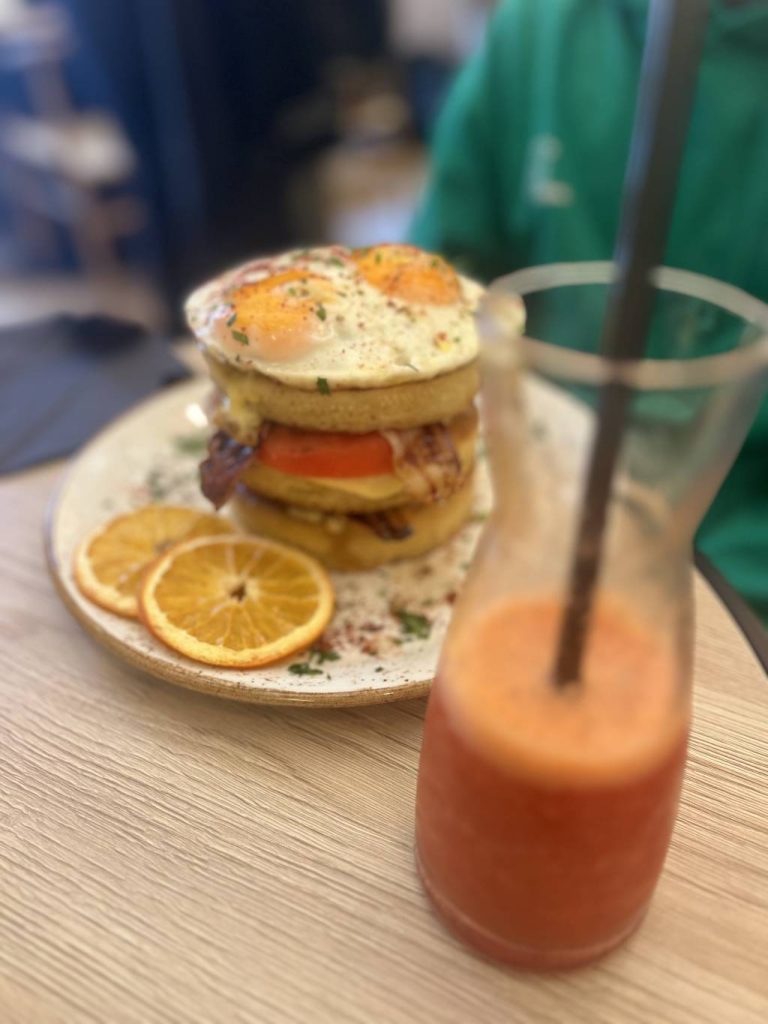
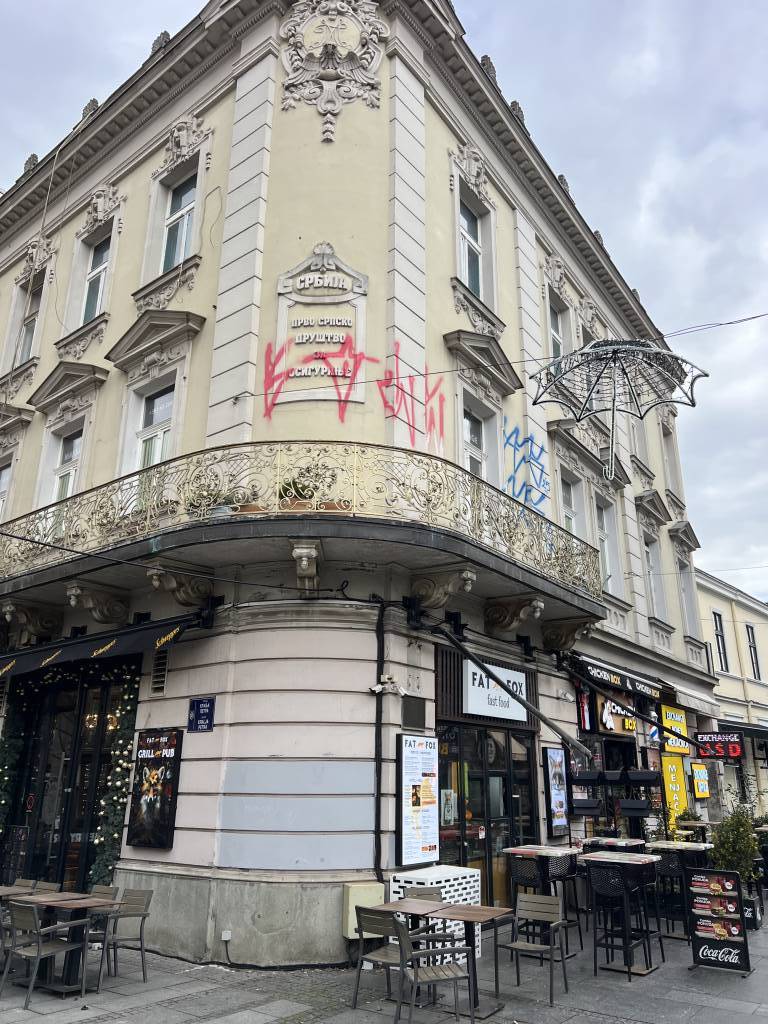
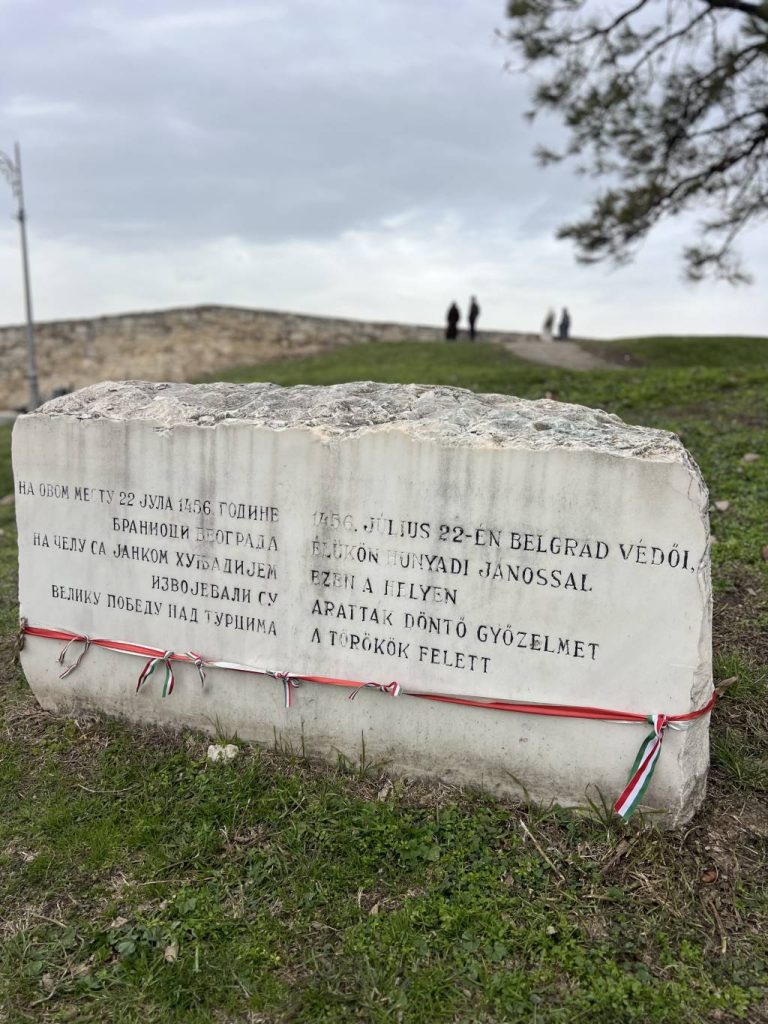
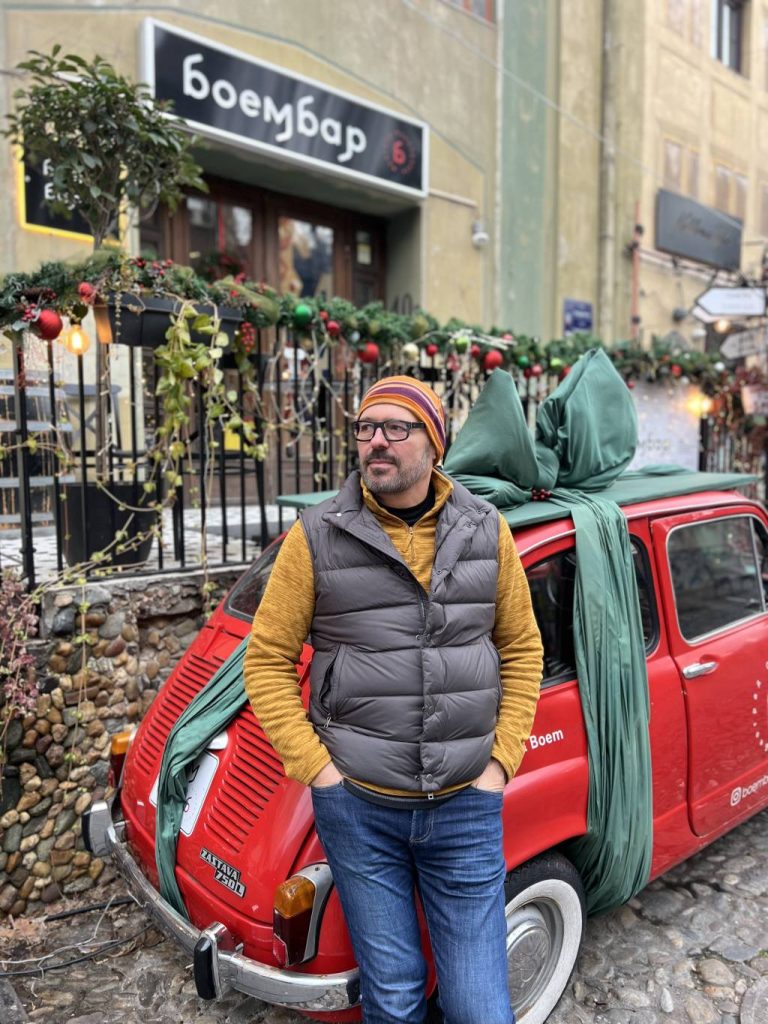
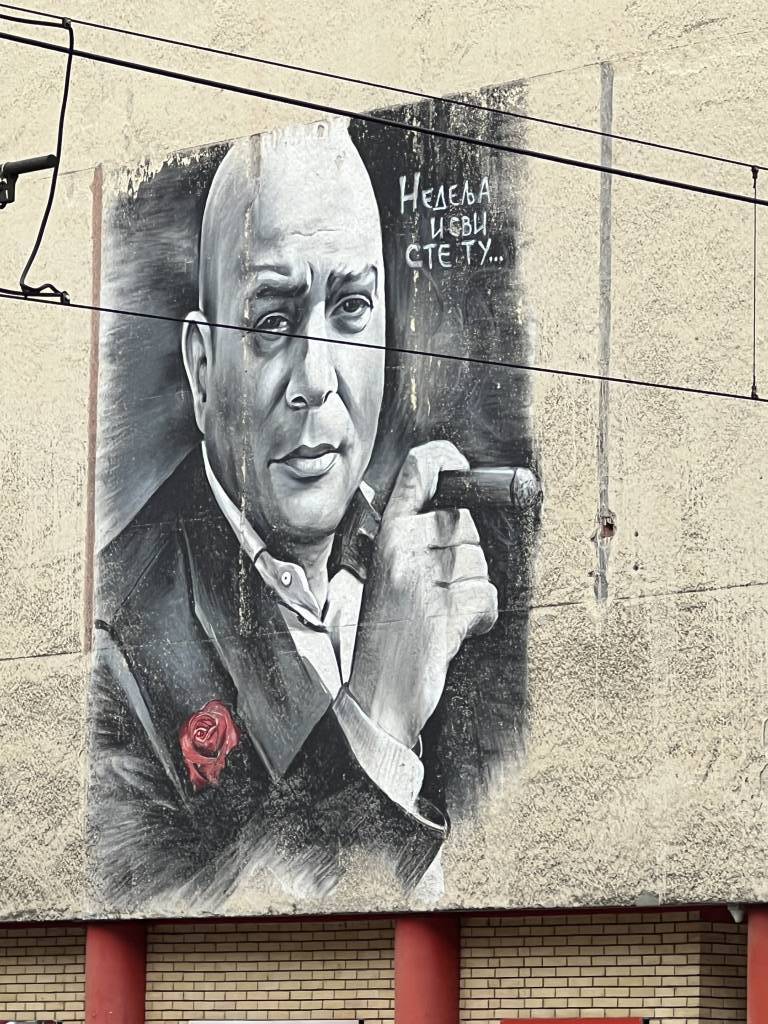
So what was Belgrade like? Cyrillic letters, graffiti, magnificent Orthodox churches, a lot of trash, helpful people who speak good English, gastro spots worthy of pedestrian streets, run-down yet free public transport, nationalism written in bold letters. Like a wine festival: colorful and exciting, yet noisy and chaotic, full of disappointments and surprises. Let the pictures speak for themselves.
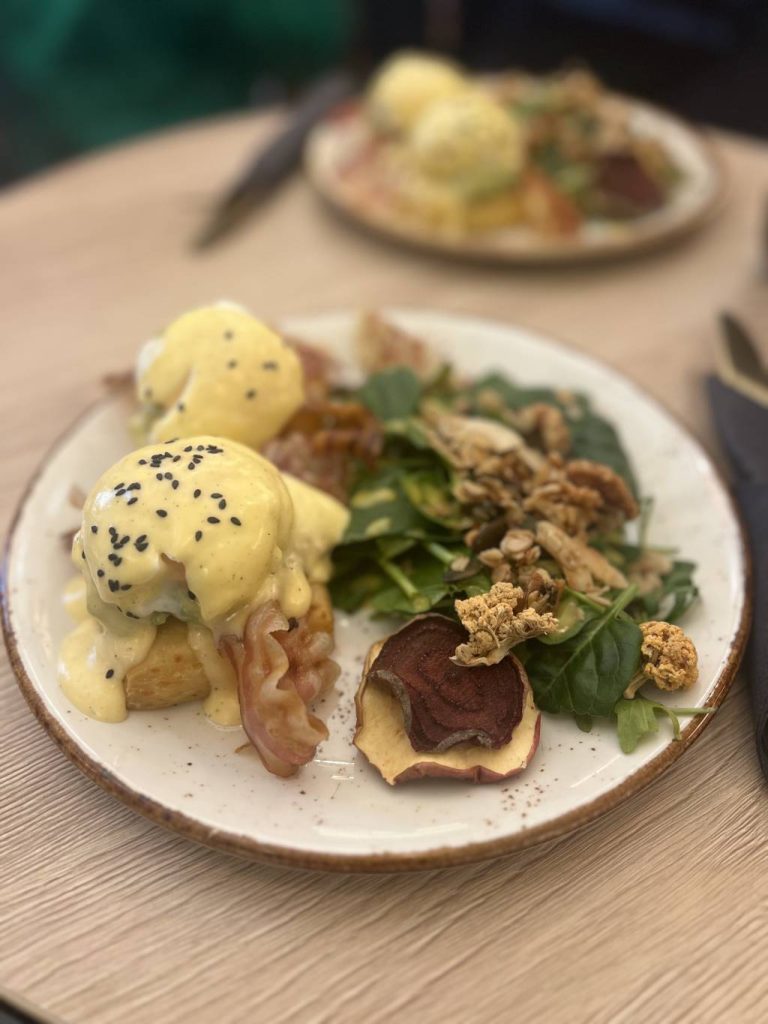
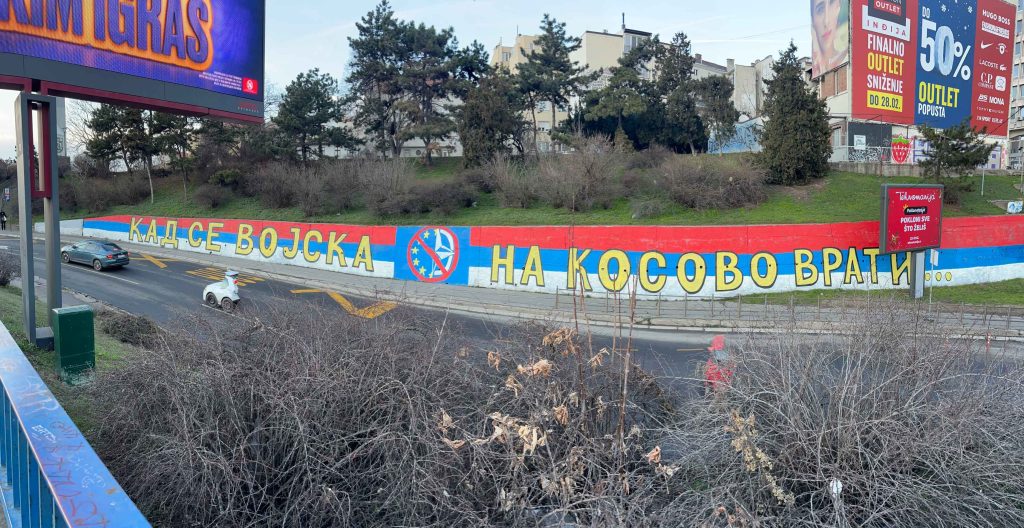
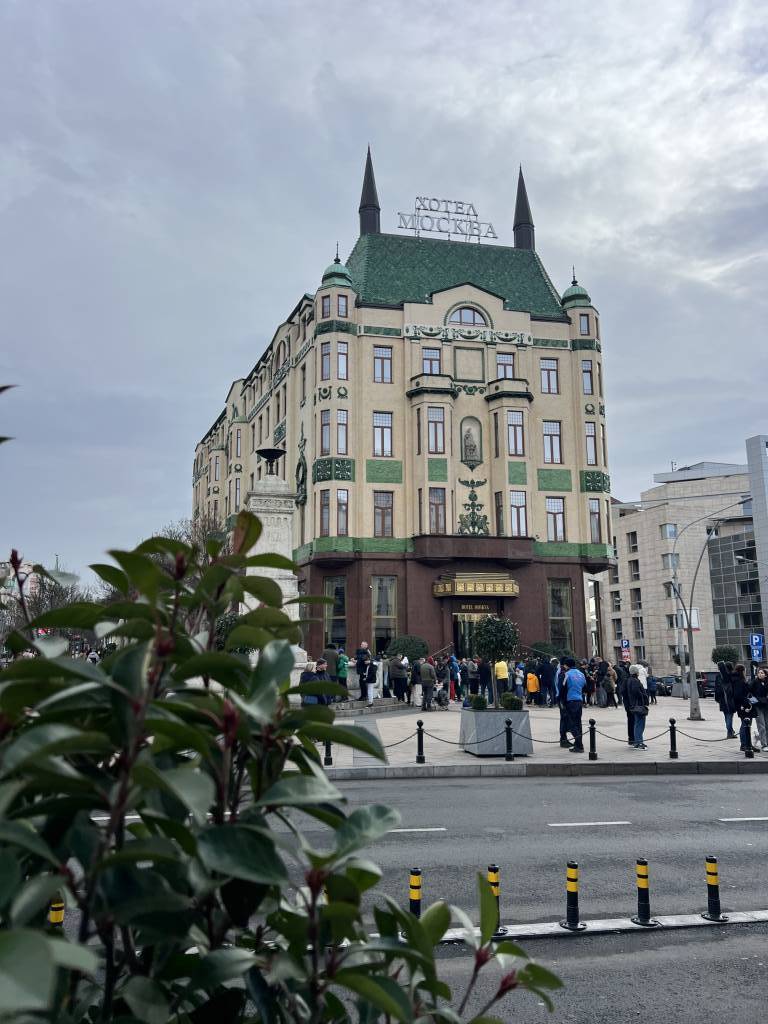
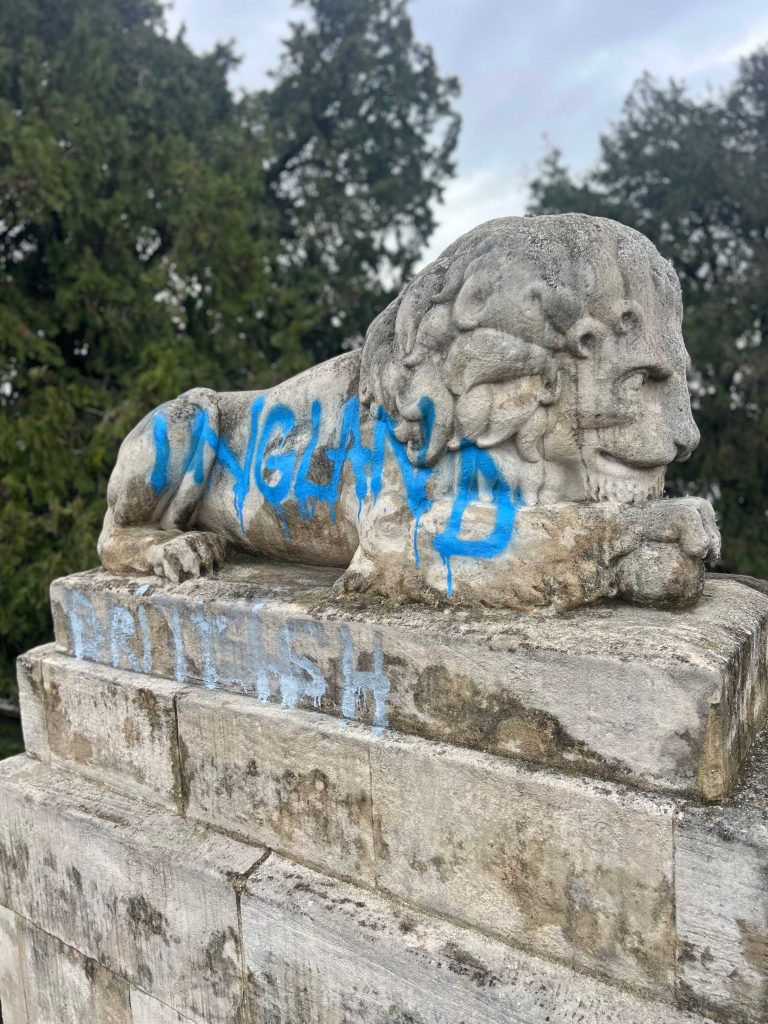
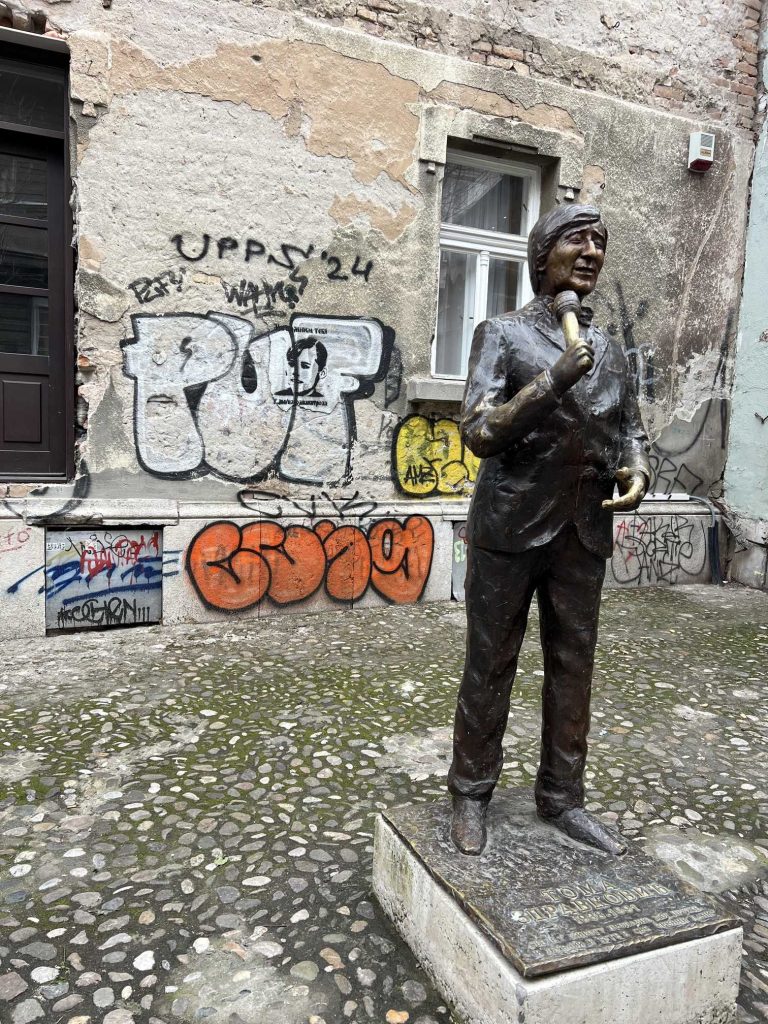
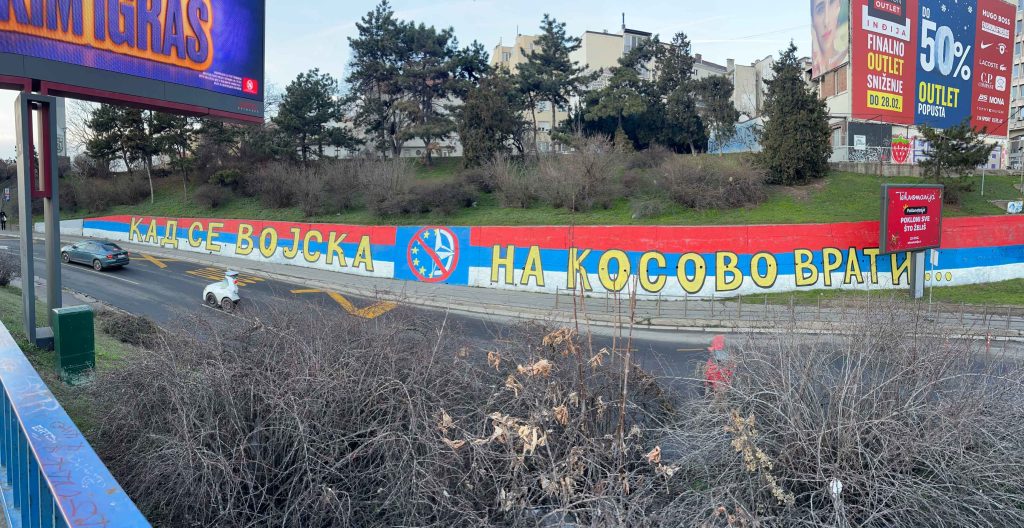
And then waterpolo
And the final? As a handful of Hungarians among nearly 13,000 Serbian fans, it was hard to endure that whenever the ball came to us, almost the entire stadium roared, hissed, and booed. This may not be unique, but in that noise it was not the rules that prevailed—it was instinct.
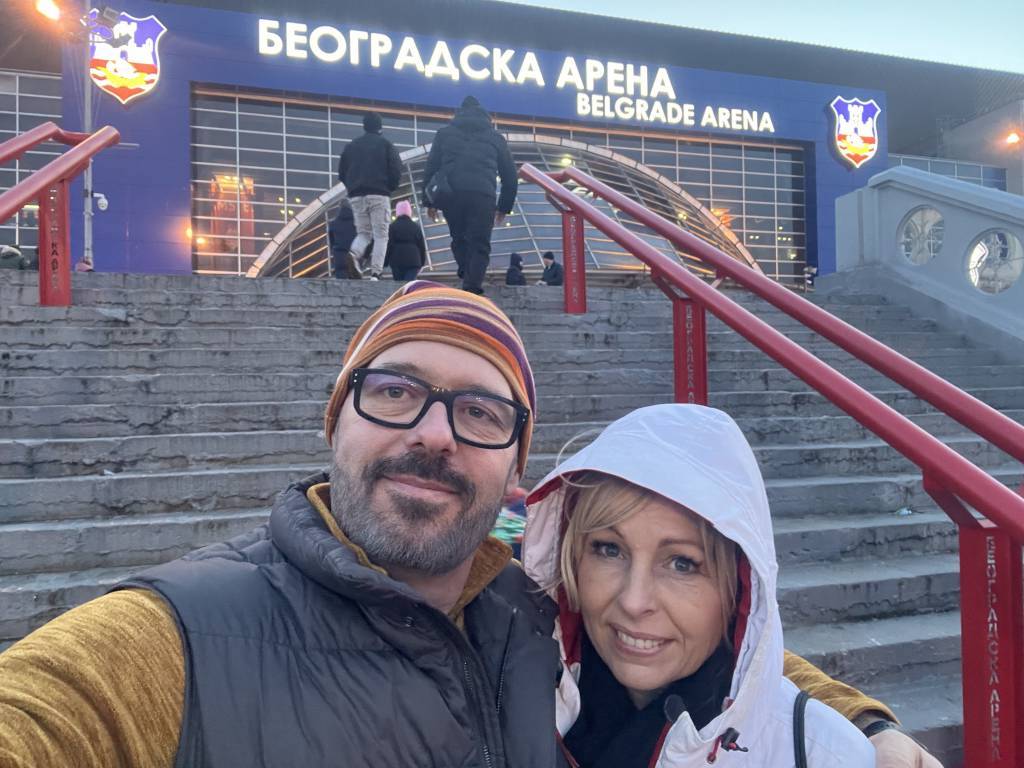
Can you imagine the tension in the air, so thick that I wondered whether we dared risk a more enthusiastic cheer than usual after goals scored by our boys? We did. Seeing ourselves a bit like freedom fighters, determined to support those in the water. How much of it was heard? Nothing. We were lost in the dense jungle of the Serbian supporters’ emotional force.
The boys in the pool fought magnificently—not only against their opponents, but also against the spirit of the place itself, which felt as if it were hissing out beside the cork of a bottle. We have not a single bad word to say. It is a young team; it will get much better, and they deserve respect for what they delivered in that hour and a half.
The moment of catharsis was brought by a vehement Serbian fan who, to my greatest surprise, turned around after the victory and shook hands with my entire family, thanking us for the noble fight. It was an incredible experience. That man alone embodied everything we received from Serbia during our short visit.
That is why wine—and not any other alcohol. Because it teaches us to wait, to endure tension, and to recognize the human being even when they seem very far from us.
2026 Men’s European Water Polo Championship final
The Team: Vogel Soma – Fekete Gergő, Manhercz Krisztián, Vigvári Vince, Angyal Dániel, Jansik Szilárd, Nagy Ádám – cserék: Nagy Ákos, Vismeg Zsombor, Varga Vince, Kovács Péter, Vigvári Vendel, Tátrai Dávid
